
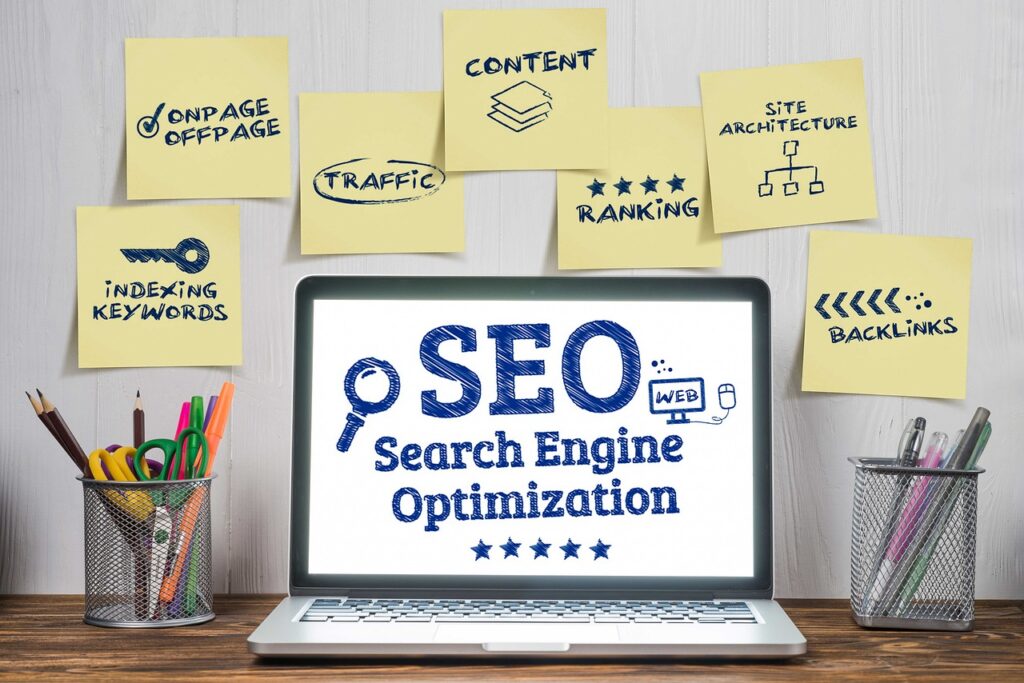
Search Engine Optimization (SEO) has been a digital buzzword for over two decades, but in 2025, it’s more than just shiny keywords and backlinks—it’s about creating genuine value and trust for your audience and making your website the place they keep coming back to.
If you’re someone who is wondering why SEO still matters when social media, AI tools, and paid ads are dominating headlines, here’s the truth: search remains the backbone of how people discover answers, products, and services online. And if your brand is invisible in search results, it’s invisible to a huge portion of your potential audience.
Let’s what’s working in SEO right now, what’s changed, and how you can take your online presence to the next level.
What Exactly is SEO?
Search Engine Optimization or SEO is simply the process of making your website more visible on search engines like Google. The higher you rank in search results, the more people click on your website—without you paying for every click.
Think of SEO as building a bridge between what people are searching for and the solutions you can provide. The better your bridge, the more website visitors you will get.
Why SEO is Worth Your Time in 2025
A lot has changed in digital marketing, but here’s why SEO still earns its place in the spotlight:
- It’s where the search begins – Around 9 out of 10 online experiences start with a Google search.
- It builds trust – People naturally trust brands that show up near the top of results.
- It improves user experience – Google rewards sites that are easy to navigate, fast, and mobile-friendly.
- It’s cost-effective – Paid ads stop working the second you stop paying. SEO keeps bringing visitors over time.
- It evens the playing field – Even small businesses can outrank big brands with the right strategy.
Key SEO Strategies That Work in 2025
1. Quality Content Over Quantity
You’ve probably heard the phrase “content is king”. That hasn’t changed—but the definition of “quality” has evolved.
Today, quality content means deep, well-structured, and genuinely helpful information tailored to your audience’s questions. Instead of posting 10 shallow articles a week, focus on a few in-depth, well-researched guides and updates.
What makes content rank today:
- Real answers to real problems by real people
- Simple and clear explanations, actionable advice
- Evidence of expertise and credibility
- A style and tone that readers find easy and enjoyable to read
2. Structure Matters More Than You Think
It doesn’t matter whether you have written large bits of text. You can still fail to rank because search engines—and readers—prefer content that’s organized and readable.
Quick tips for better structure:
- Use H2 and H3 subheadings to break down topics
- Keep paragraphs short (2–4 sentences)
- Add bullet points for quick takeaways
- Use visuals—images, infographics, short videos—to keep people engaged
3. Technical SEO – The Foundation You Can’t Ignore
Once your content is great, you need to make sure search engines can actually read and index it. That’s where technical SEO comes in.
Some must-dos in 2025:
- Make sure your site is mobile-friendly—most people now search on their phones.
- Work on page speed—slow websites lose visitors in seconds.
- Add schema markup for better search snippets.
- Keep your URLs short and descriptive.
- Secure your site with HTTPS—Google rewards it, and visitors trust it.
4. Keywords Are About Intent, Not Just Numbers
Gone are the days of stuffing your page with repeated keywords. Now, Google focuses on intent—what a person really means when they type in their search.
Instead of just targeting “best running shoes,” ask yourself:
- Is the person looking to buy?
- Do they want product comparisons?
- Are they looking for reviews?
By understanding their intent, you can create content that directly answers what they’re looking for.
5. The Power of Topic Clusters & Pillar Pages
One of the smartest strategies right now is topic clustering—creating a main “pillar” article on a broad subject, and then publishing multiple “cluster” articles diving into related subtopics.
Example:
- Pillar Page: Ultimate Guide to Healthy Eating
- Cluster Pages: Benefits of a Plant-Based Diet, Healthy Meal Prep Ideas, Nutrition Tips for Busy Professionals
These articles link to each other, signalling to Google that your site is a trusted source on the subject.
6. Internal & External Linking Done Right
- Internal links help guide visitors to other useful pages on your site, keeping them around longer.
- External links to authoritative sources build credibility (think linking to research studies or industry leaders).
7. User Experience is the New Ranking Factor
Google now measures how people interact with your site. If visitors click in and quickly leave, that’s a bad sign.
Focus on:
- Clear navigation (menus that make sense)
- Fast-loading pages
- Visually appealing layouts
- Relevant calls-to-action
The Black-Hat Trap (And Why You Should Avoid It)
Shortcuts like keyword stuffing, buying spammy backlinks, or duplicating content might give you a boost for a week or two—but the penalties can be devastating, including getting dropped from search results entirely. Always aim for long-term trust, not quick wins.
Step-by-Step: How to Optimize a New Blog Post
- Research first – Use keyword tools to understand your audience’s search habits.
- Write with depth – Cover the topic thoroughly and add insights competitors missed.
- On-page optimization – Add keywords naturally in titles, headings, and meta descriptions.
- Check technical health – Test page speed, mobile friendliness, and schema markup.
- Promote your post – Share it on social media, newsletters, and industry communities.
- Review & refresh – Update posts every few months to keep rankings strong.
What’s Next for SEO?

- Voice search is growing, so optimize for conversational queries.
- AI-powered search means context will matter more than ever.
- Local SEO is key for businesses with a physical presence.
- Video optimization is critical as YouTube and TikTok dominate content discovery.
Common SEO Mistakes to Avoid
- Ignoring mobile optimization
- Overusing keywords
- Publishing thin or outdated content
- Neglecting page speed
- Not updating your site regularly
Final Thoughts
In 2025, SEO isn’t about gaming algorithms—it’s about being the best, most trustworthy answer to your audience’s questions. If you focus on creating value, keeping your site healthy, and staying up to date with trends, you’ll see lasting results.
Remember: SEO is a journey, not a one-time task. Start small, focus on quality, and you’ll build a foundation that continues to grow year after year.